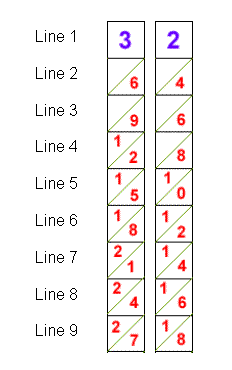
The table is split up into the nine columns. Here is how they're used:
For example, let's calculate 32 x 7.
Lay out the two strips showing 3 and 2 at the top like this:
To multiply this number by 7, add the numbers along the diagonals of the seventh line, starting at the right:
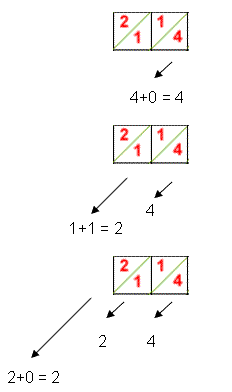
So the answer is 224.
Here's another example, this time we are multiplying 746 by 6. Click on Napier to start the demo.

Think about the row of numbers you are looking at. Where have
they come from?
How does the layout of the grid in Napier's bones help?
Compare Napier's bones to other ways you may write down
multiplication sums.